


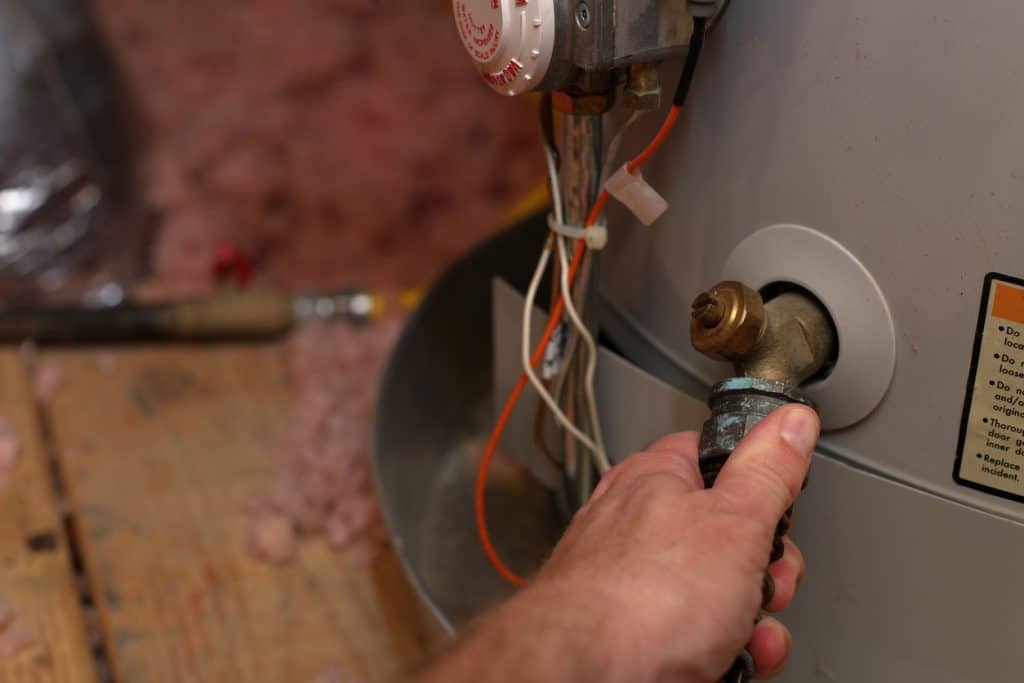
Most water heaters will experience some level of sediment buildup over time. However, knowing why it happens, why it shouldn’t be ignored, and what to do can mean the difference between reaching your water heater’s full lifespan and having to replace it earlier than anticipated. Let’s take a closer look at sediment buildup so that you can protect your system and extend its lifespan.
What Is the Cause of Sediment Buildup in Water Heater Tanks?
There are numerous reasons why sediment begins to build up in your water heater tank. For the most part, sediment buildup can be attributed to the various minerals and contaminants in your water supply, many of which separate from the water when heated and settle at the bottom of the tank. Areas with harder water naturally have more sediment buildup. Sediment buildup can also be a byproduct of rusting in the interior of your water heater. This can happen as water heaters age, further contributing to sediment buildup.
What Happens When Sediment Builds and Isn’t Flushed?
If sediment buildup naturally occurs, what’s the big deal? There’s a reason why regular maintenance and flushing are crucial to keeping your water heater in optimal shape. Sediment buildup is an issue because it can:
- Force your water heater to work harder, reducing efficiency and driving up your energy bills.
- Contribute to corrosion and frequent overheating, which can significantly reduce your water heater’s lifespan.
- Reduce overall hot water capacity.
- Affect the quality of your water as well as the pipes in your plumbing system.
Identifying sediment buildup in your water heater tank is fairly easy. If you notice that your water is discolored or smells, or your water heater is making popping noises while it’s in operation, you’ll likely find that sediment buildup is the cause.
Take Action
So, what should you do if sediment buildup is affecting your water heater? The next best step is to reach out to an expert plumber. They can help you flush your water heater to clear out any sediment currently in your tank. They can also thoroughly inspect your water heater to inform you about any damage and whether your tank will require repairs or you will need a replacement.
Sediment buildup naturally occurs in every water heater. However, failing to address this issue will make it less efficient and cause damage to the water heater itself as well as other elements of your plumbing system. If you need water heater repair, maintenance, or replacement, contact our team at Star Plumbing & Mechanical in Owensboro, KY today for professional service you can trust.